
What/Who are the fossil fuel lobbies?
The fossil fuel lobbies consist of companies operating in the oil, gas and coal sectors, together with the industry associations, consultants and other organizations representing their interests. Their primary objective is to influence climate policy in ways that protect or advance their commercial interests.
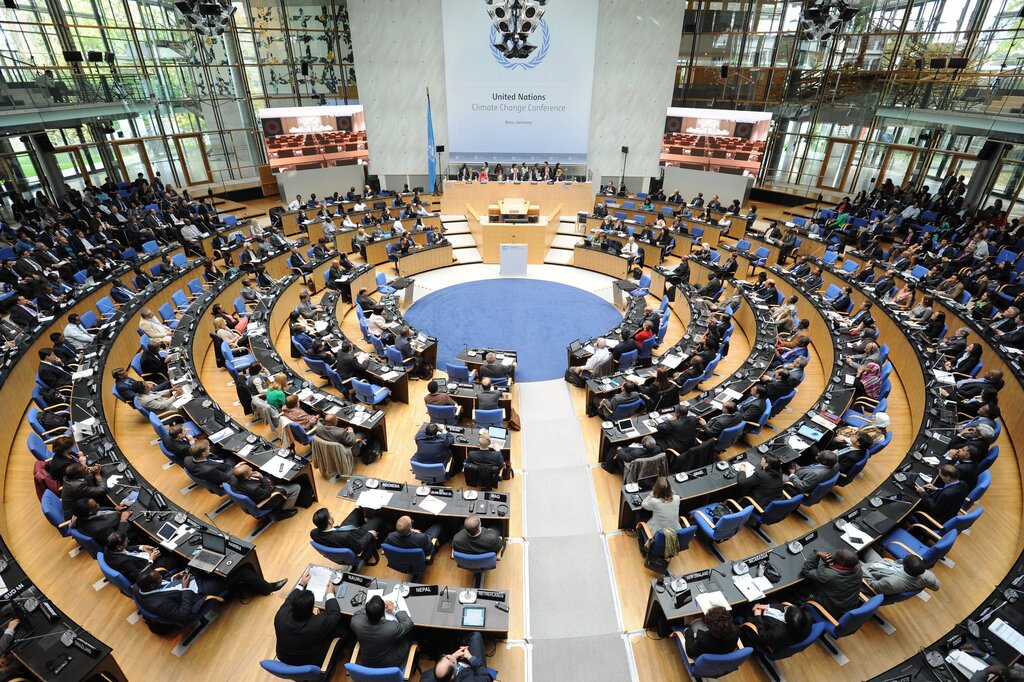
The annual UN Climate Change Conferences (COPs) provide an important opportunity for these actors to engage directly with governments, participate in side events, organize public campaigns and build relationships with negotiators throughout the conference.
What is the problem?
The purpose of COP negotiations is to strengthen global climate action. However, when industries whose core business depends on fossil fuel production gain privileged access to decision-makers, there is a clear risk of conflicts of interest.
Fossil fuel interests can contribute to delaying ambitious climate action, weakening negotiation outcomes and influencing the wording of key decisions. At COP30, for example, a proposal supported by more than 80 developed and developing countries for a roadmap to phase out fossil fuels was left out of the final agreement after opposition led by Saudi Arabia and its allies together with Russia, and the adopted text made no reference to fossil fuels at all. A comparable dynamic had shaped COP28, where the demand of over 100 countries for a fossil fuel “phase-out” was softened in the final decision to a call to “transition away” from fossil fuels, wording that many saw as leaving room for continued production. Their extensive access to negotiators also raises concerns about transparency, fairness and the integrity of the negotiation process.
Examples
| COP28 | COP29 | |
| Fossil fuel lobbyists | 2,456 | 1,773 |
| 10 most climate-vulnerable countries (combined delegates) | 1,509 | 1,033
|
The scale of fossil fuel lobbying at recent COP conferences illustrates the issue. At COP28, approximately 2,456 fossil fuel lobbyists attended the negotiations, making the industry one of the largest delegations present, exceeding the combined delegations of the ten most climate-vulnerable countries (1,509). At COP29, around 1,773 fossil fuel lobbyists again outnumbered almost every national delegation, including the combined delegations of the ten most climate-vulnerable countries (1,033). While COP28 marked the first COP decision calling for a transition away from fossil fuels, the lack of binding commitments raised concerns about the industry’s continued influence on negotiation outcomes.
What should be done?
Protecting the credibility of COP negotiations requires stronger safeguards against conflicts of interest. This includes establishing clear conflict of interest rules, improving transparency around lobbying activities, ensuring equal access for all stakeholders, and preventing undue influence over negotiations by commercial interests that conflict with climate objectives.
What does Transparency International Türkiye recommend?
Transparency International Türkiye’s COP Integrity Principles propose concrete measures to strengthen transparency, independence and accountability throughout the COP process. The Principles recommend mandatory conflict of interest declarations for senior officials, advisers and decision-makers involved in COP planning and negotiations, integrity due diligence for sponsors, partners and major contractors that includes assessments of climate lobbying activities, greenwashing risks and alignment with the Paris Agreement, and public registers disclosing sponsors, lobbying meetings, financial contributions and high-level contacts before and during the conference. They also recommend that companies whose primary business is fossil fuel extraction or production should not be accepted as COP sponsors or official partners, and call for the establishment of an independent COP Integrity Panel to oversee implementation of integrity standards, review complaints and recommend corrective actions. Together, these measures would strengthen public trust, reduce conflicts of interest and help ensure that climate negotiations remain focused on the public interest rather than commercial influence.